Connector Field Guides
Practical connector selection without the folklore, forum archaeology, and "looks close enough" nonsense.
Two guides, one site. Pick the one that matches what you're building. They cross-link where it matters, and they both follow the same rule: the datasheet, standard, and requirement always win over anything written here.
The source-verification milestone shipped with v1.0; the guide is continuously reviewed after it. Source Notes is the standing record of what is verified, what is engineering judgment, and what you still owe your own hardware. Corrections — with sources — are welcome.
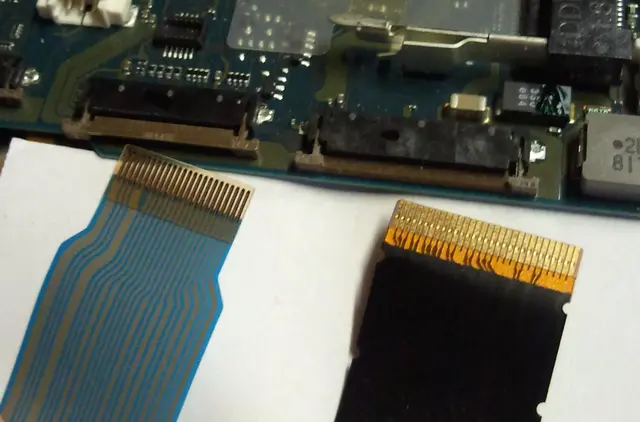 Board-levelFFC / ZIF identification
Zeroping · CC0
Board-levelFFC / ZIF identification
Zeroping · CC0
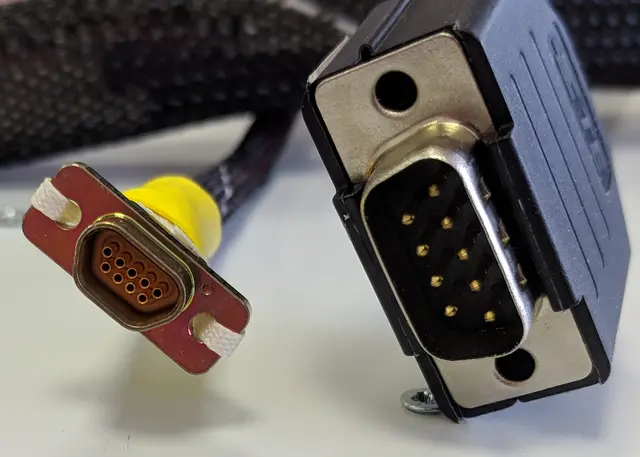 Compact, high-densityMicro-D selection
Andree.sk · CC BY-SA 4.0
Compact, high-densityMicro-D selection
Andree.sk · CC BY-SA 4.0
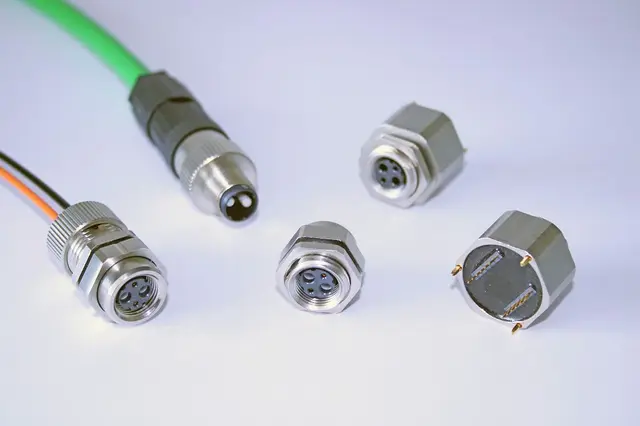 Industrial sensorM12 / M8 interfaces
Riep. · CC BY-SA 4.0
Industrial sensorM12 / M8 interfaces
Riep. · CC BY-SA 4.0
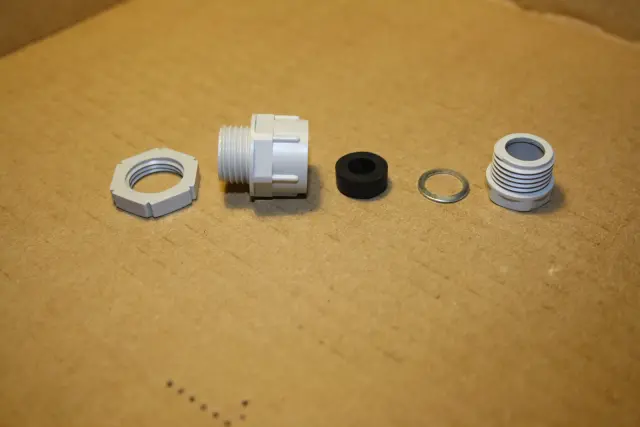 Sealed feedthroughCable-entry construction
Leotard · CC0
Sealed feedthroughCable-entry construction
Leotard · CC0
Four interfaces, four different jobs. Follow a panel into the relevant guide, or see the complete image attribution register.
Not sure?
| Question | Hobby guide | Engineering guide |
|---|---|---|
| Is this a breadboard/dev-board project? | Yes | Maybe |
| Is this going outside, on a vehicle, or into fielded equipment? | Maybe | Yes |
| Is failure annoying but safe? | Yes | Maybe |
| Is failure expensive, dangerous, or customer-facing? | No | Yes |
| Are you buying connector kits online? | Yes | Maybe |
| Are you making released drawings, ICDs, or harness documentation? | No | Yes |
| Does someone else need to build, inspect, or maintain it? | Maybe | Yes |
Still torn? Read Hobby or Professional?. The real dividing line is what failure costs, where the hardware lives, and how tightly it has to be documented—not how fancy the connector looks.
Both tracks share the Source Notes—where the site shows its work—the Glossary, and the Connector Identification Workflow.
Onboarding someone? How to Use This Guide with an Intern turns the reading, exercises, and templates into a four-week plan you can actually run.